
What Are No Collateral Bank Loans?
No collateral bank loans let you borrow money without pledging assets like a house car or others wealth. Lenders usually approve these loans based on your credit score, income, and repayment ability. They are a popular choice for emergencies, education, medical bills, and other personal expenses.you more intersted content
What You Will Learn in This Guide:
- How to borrow cash safely using just your income and trust.
- The simple math behind checking your Debt-to-Income (DTI) ratio.
- Why your local credit union might be your best bet for cheaper rates.
- The hidden loan fees you absolutely need to dodge.
The Real Struggle of Needing Money Without Having Assets to Risk
You need cash fast, but you do not own a house or a car to hand over as a guarantee. Trust me, it is a stressful spot to be in. But here is the good news—you can actually get a bank loan based entirely on your promise to pay it back. Let's look at how no-collateral loans work and how you can grab one without the usual banking headaches.
Many hard-working people find themselves in this exact situation every day. You need a safe financial boost, but the fear of losing your personal property keeps you awake at night. This constant worry makes it difficult to focus on your work and your family and others reletives.
The search for a safe loan often leads to confusion and frustration instead of help. Here are the main reasons why finding the right financial path is so hard for many:
- Confusing Bank Terms: Most financial institutions use complex words that make simple loan terms hard for the average person to understand.
- Misleading Online Ads: The internet is full of quick-fix loan offers that hide high interest rates and secret fees in their fine print.
- Fear of Rejection: Many people apply for the wrong type of loan and get rejected, which hurts their credit score even more.
- Lack of Clear Guidance: There are very few honest guides that show you exactly how to qualify without trying to sell you something.
Your Step-by-Step Guide to Securing a Bank Loan Without Collateral

Getting a loan without offering your home or car is entirely possible. Banks call these unsecured loans or personal signature loans.
Because the All bank takes on more risk, they look closely at your financial habits instead of your physical assets. Let we look at the first three practical steps you can take today to get ready for a successful application.
Myth vs. Fact: Unsecured Loans
- Myth: You need a perfect 800 credit score to get an unsecured loan.
- Fact: While a high score helps, many local credit unions look at your steady income and low debt-to-income ratio just as much as your credit history.
Step 1: Build and Clean Your Credit Record
Your credit record is your financial resume when you apply for unsecured funding. Since you are not offering collateral, the bank relies on this history to see if you pay your debts on time.
Start by getting a free copy of your credit report from an authorized bureau. Look closely for any errors, such as accounts you already closed that still show as open.If you find a mistake, file a dispute immediately with the credit bureau to have it corrected. This simple step can sometimes improve your score in a few weeks.
To make your credit look even better, try to pay down your existing credit card balances. Keeping your credit card usage below thirty percent of your limit shows banks that you use credit wisely.
Think of your credit score like a trust rating between friends. If you always pay back small favors quickly, your friends will trust you with larger favors in the future.
Step 2: Manage Your Monthly Debt-to-Income Ratio
Banks want to make sure you have enough money left over each month to pay your new loan. They calculate this by using your Debt-to-Income (DTI) ratio.
Your DTI is the percentage of your gross monthly income that goes toward paying existing debts. To calculate this, add up your monthly rent, credit card minimums, and other loan payments, then divide by your monthly income.Flow this Formula
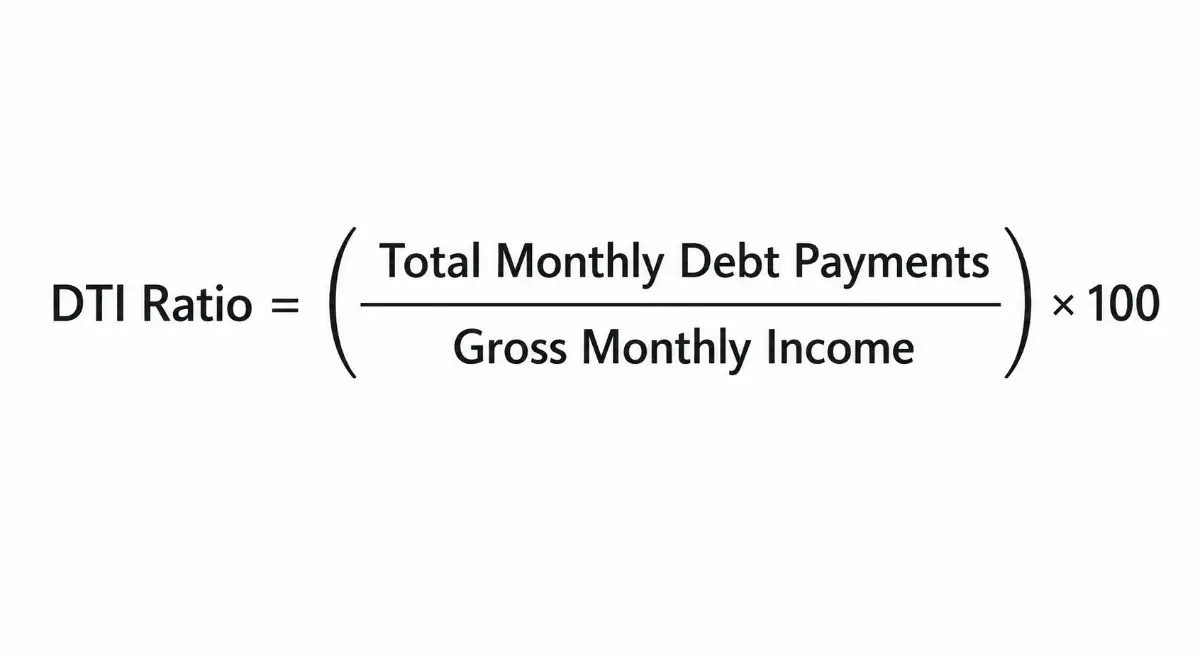
For example, if your total monthly debt payments are $1,200 and your gross monthly income is $4,000, your DTI ratio is exactly 30%.
Ideally, you want to keep this ratio under thirty-five percent before you apply for a new loan. If your ratio is higher, try to pay off a small credit card or a minor loan to lower it.
A lower ratio tells the bank that you have plenty of breathing room in your budget. It proves you can easily afford the new monthly payment without falling into financial stress.
Step 3: Gather Proof of Steady Income
When you do not have collateral, your regular income is the main guarantee of repayment. Banks need to see clear, undeniable proof that you receive a steady paycheck every month.
Collect your pay stubs from the last three months and keep them in a clean folder. You should also download your bank statements for the past ninety days to show the direct deposits.If you are self-employed, you will need your tax returns from the past two years. Make sure your tax papers match the income numbers you write on your loan application.
Having these documents ready in advance makes you look highly professional and organized to the loan officer. It also speeds up the review process and reduces the chances of an unexpected rejection.
Step 4: Compare Bank Loan Terms and Fees
Not all unsecured bank loans are created equal, so you must compare your options carefully. Some banks offer lower interest rates but charge high origination fees to make up for it.
Always look for the Annual Percentage Rate (APR) instead of just the basic interest rate. The APR includes both the interest and the extra fees, giving you the true cost of the loan.
You should also check if the bank offers a discount for setting up automatic payments. Many institutions will lower your rate slightly if you agree to let them withdraw the monthly payment from your checking account.
Take your time during this step to read the small print on each bank's website. A little bit of research now can save you hundreds of dollars over the your life of your loan.
Step 5: Choose a Fixed Interest Rate Over a Variable Rate
When you apply for a loan without collateral, you will often choose between fixed and variable rates. A fixed rate stays the same during the entire loan term, while a variable rate can change.
We suggest choosing a fixed interest rate because it offers safety and predictability. You will know exactly how much money you need to set aside every single month.
Variable rates might start out lower, but they can rise unexpectedly if the market rates go up. An unexpected rate hike can quickly stretch your monthly household budget to its breaking point.
With a fixed rate, you protect yourself from sudden changes in the economy. This peace of mind is incredibly valuable when you are working hard to build a stable financial future.
Smart Strategies to Secure Your Unsecured Loan and Keep Your Finances Healthy
When you want to borrow money without putting up your home or car as security, you need to think like a bank officer. Banks always look for ways to reduce their risk before lending money.
To help you get the best terms, we need to look at how banks review your financial profile. You can read more about how unsecured financial products work to understand their risk systems.
By using a few advanced strategies, you can make your loan application look much stronger. Let we look at two extra steps that can help you secure approval with excellent rates.
Step 4: Strengthen Your Application with a Trusted Co-Signer
If your credit score is not perfect, you do not have to give up on getting a loan. One of the most effective ways to get approved is by adding a co-signer to your application.
A co-signer is a family member or close friend with excellent credit who agrees to share the responsibility for your debt. When you add a co-signer, the bank looks at their high credit score instead of just yours.
This simple addition reduces the risk for the lender, which often leads to a much lower interest rate. Before you ask someone to help you, look at this simple checklist:
- Explain the Legal Responsibility: Your co-signer must understand that they are legally responsible for the debt if you cannot pay.
- Share Your Budget Plan: Show them exactly how you plan to make the monthly payments on time.
- Keep Communication Open: Promise to tell them immediately if you ever face a temporary budget problem.
For example, consider a person who wanted to borrow money for an urgent dental treatment. Because her credit score was average, her local bank offered her a high interest rate of fifteen percent.
She asked her older brother, who had an excellent credit score, to act as her co-signer. The bank quickly approved the loan and reduced her interest rate to seven percent, saving her hundreds of dollars.
Adding a co-signer is a powerful tool, but you must protect your relationship by paying on time. Your payment habits will directly affect your co-signer's credit record, so treat this responsibility with the utmost respect.
Step 5: Apply with Local Credit Unions for Better Terms

Many people automatically walk into a big national bank when they need a loan. However, smaller local credit unions are often a much better choice for unsecured borrowing.
Credit unions are member-owned, non-profit organizations that focus on helping their local community. Because they do not have to answer to Wall Street shareholders, they can pass their savings back to their members.
This structure allows them to offer lower interest rates and lower fees than large commercial banks. When you apply, they will often look at your personal story and job history, not just your credit score number.
Before you apply, you can research comparing different banking offers to see the general market rates. You will quickly notice that credit unions often have the most friendly terms for everyday consumers.
To join a credit union, you usually just need to live in their area or work in a specific industry. Once you open a basic savings account with them, you gain access to all their member benefits.
How to Maintain Good Financial Health for the Long Term
Getting your loan approved is a great victory, but managing it wisely is where the real work begins. Your goal should be to use this loan to improve your overall financial life.
The best way to start is by setting up automatic monthly payments from your main bank account. This simple system ensures you never miss a payment, which helps build your credit score month after month.
While you are paying off this debt, you should also focus on your next financial step. Try to set aside a small amount of money every week to build a safety net for future emergencies.
Having a small savings cushion means you will not need to borrow money the next time an unexpected bill arrives. You can learn how to build a bulletproof emergency fund fast to protect yourself from future debts.
Over time, this healthy habit will give you complete control over your money. You will no longer have to worry about loan approvals because you will have your own financial backup ready to use.

Major Pitfalls to Avoid When Borrowing Without Collateral
Borrowing money without offering collateral is highly convenient, but it also comes with subtle dangers. If you are not careful, you can easily fall into common traps that make your financial situation worse.
To keep your money safe, you must recognize these mistakes before you sign any paperwork. Let we look at the five most common errors people make when applying for these loans.
1. Borrowing More Money Than You Actually Need
When a bank tells you that you qualify for a large sum of money, it is tempting to accept the full amount. However, taking more money than you need means you will pay extra interest on funds you did not require.
Always calculate your exact expenses before you submit your final loan application. Only borrow the precise amount needed to cover your emergency or your specific plan.
If you take too much, you will stretch your monthly budget unnecessarily. Keep your loan amount as small as possible to ensure your monthly payments remain easy to handle.
Quick Question: What if I only need money for a few days?
If you just need a tiny bridge loan until payday, avoid big bank loans altogether. Ask your current bank if they offer small "cash advance" features on your checking account. These usually cost just a flat $5 to $10 fee instead of locking you into a long-term debt contract.
2. Failing to Read the Details of Your Loan Agreement
Many borrowers make the mistake of only looking at the monthly payment amount. They completely ignore the small print, which often contains details about hidden fees and strict penalties.
For instance, some loans have high origination fees that are deducted from your payout. Other loans charge prepayment penalties if you try to pay off your balance early.
To avoid these surprises, take your time to read every page of the document. You can read about the personal loan mistakes you must avoid to protect yourself from unfair terms.
3. Missing Your Scheduled Payment Dates
When you take out an unsecured loan, your payment history is the most important factor in keeping your credit healthy. Missing even a single payment can cause your credit score to drop rapidly.
A lower credit score will make it much harder for you to get any financial help in the future. It can also lead to expensive late fees that pile up quickly on top of your existing debt.
To understand the full impact of this mistake, read about what happens if you miss a personal loan payment and how to protect your record. Taking quick action can save you from severe credit damage.
4. Applying at Multiple Banks Simultaneously
When you need money quickly, you might think that applying at five different banks will increase your chances of success. However, this strategy actually does the exact opposite.
Every time you submit an official application, the lender performs a hard credit check on your record. Having multiple hard checks in a short period tells banks that you are in financial distress.
This red flag can cause all the banks to reject your application at the same time. Instead, research your options carefully and only apply to the single bank that fits your budget best.
5. Using Your Loan for Non-Essential Purchases
An unsecured loan should be used to improve your financial stability or solve a real emergency. Using these funds to pay for a vacation, expensive clothes, or luxury items is a major mistake.
Using debt for temporary pleasures leaves you with monthly payments long after the item is gone. It is a much better choice to save cash for your wants and use loans only for your needs.
If you already have high-interest debts, using an unsecured loan for consolidating multiple debts into one lower payment is a very smart move. This approach saves you money and helps you pay off your balances much faster.
Your Path to a Confident and Secure Financial Future
Taking control of your finances does not require you to risk your home or your car. By understanding how unsecured loans work, you can make smart, safe choices that protect your family.
Remember to focus on building your credit score, lowering your debt ratio, and gathering your paperwork before you apply. These simple steps will open doors to better rates and friendlier banking terms.
Do not let past financial mistakes hold you back from making positive changes today. Every small, smart step you take adds up to a much stronger and more stable financial life.
You now have the exact knowledge and tools to navigate the lending system with complete confidence. Take a deep breath, review your budget, and start building your secure financial future today.
Disclaimer:
This article is for informational and educational purposes only and does not constitute official financial or legal advice. Loan terms, interest rates, and approval requirements vary greatly depending on your location, credit history, and financial institution. We highly recommend consulting with a certified financial advisor or directly contacting your chosen bank before improtant financial organigation and making any major financial decisions.