
Breaking Free From the Heavy Chains of Financial Stress
Let’s be honest—opening your credit card statement right now probably feels like getting punched in the stomach. I know exactly how that sick feeling works, watching those minimum payments eat up your entire paycheck while your total balance barely moves an inch. You aren't stuck forever, though. We are going to fix this mess together, step by step, without any of that confusing bank talk.
When you are juggling multiple payments, your mind is never truly at peace. You wake up thinking about due dates, and you go to sleep calculating interest rates in your head. It is an exhausting way to live, and it drains the energy you should be spending on your family and your passions.
When I finally started looking for a way out, the internet terrified me even more. I read so many scary warnings about how combining my bills into one payment would destroy my financial reputation forever. Friends told me that getting a new loan was a trap that would leave me worse off than before.
All this conflicting information creates a massive wall of confusion for everyday people just trying to get their heads above water. We end up doing nothing, which is exactly what the credit card companies want us to do. Staying stuck means they keep collecting those massive interest charges.
But I am here to tell you that most of what you hear about taking control of your balances is simply not true. Let's walk through the actual facts together, without the confusing financial jargon, so you can make the best choice for your future.
Quick Takeaways Before We Dive In:
• Moving your balances to a single, lower-interest loan saves you thousands in hidden bank fees.
• Applying causes a tiny 5-10 point dip in your credit profile, which quickly bounces back.
• You still have to pay the money back—you just pay it off much faster.
• You must lock away your old credit cards to make this strategy actually work for your future.
Seeing Through the Smoke: The Reality of Combining Your Bills
When we are desperate for a way out of financial trouble, we often believe every scary rumor we hear. The banking industry can feel like a secret club with rules that are designed to confuse us. But once you understand the basic mechanics of how lenders view your profile, the fear starts to melt away.
A lot of the myths surrounding this topic come from a basic misunderstanding of how credit bureaus calculate your rating. People assume that moving money around is a red flag to lenders. In reality, lenders care much more about your consistency than the specific tool you use to manage your money.
Let's clear the air and look at the most common misunderstandings that keep people trapped in high-interest cycles.
Myth 1: Getting a New Loan Will Permanently Ruin Your Rating
This is probably the biggest fear that stops people from taking action. You might have heard that applying for a new line of credit drops your numbers so drastically that you will never recover. The truth is much less dramatic and far more manageable.
When you apply for any new financial product, the lender performs a hard inquiry on your profile. This action does cause a small, temporary dip in your numbers, usually around five to ten points. However, this small drop is almost always temporary and fades away after a few months of on-time payments.
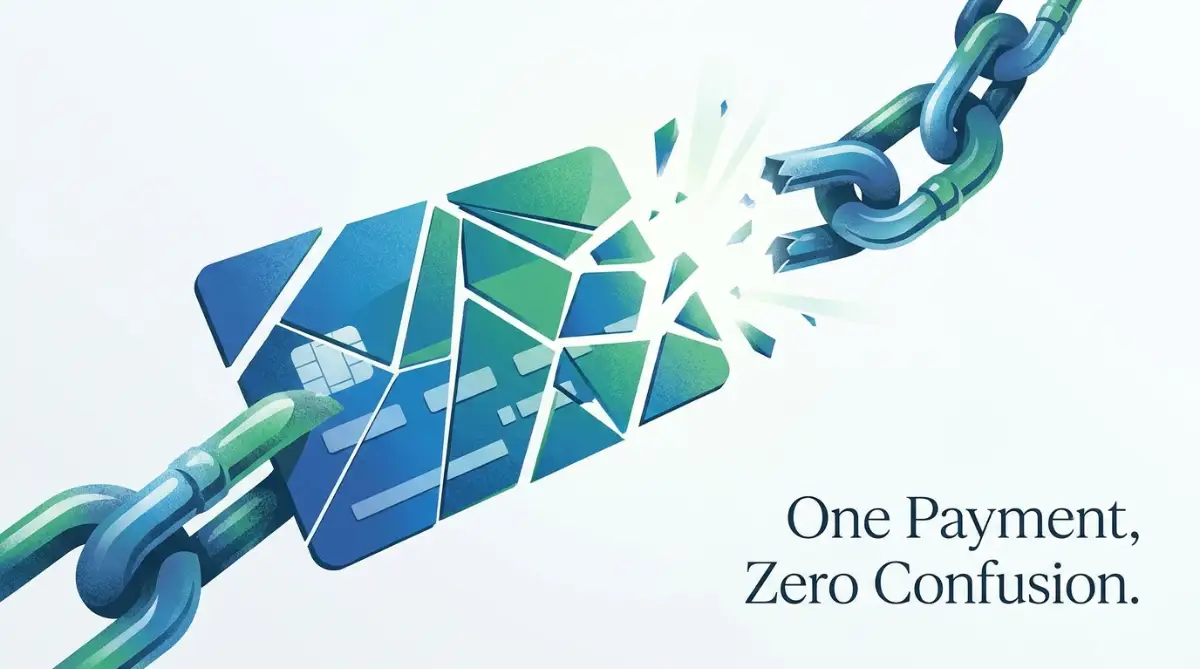
What actually happens: The moment you use that new loan to completely wipe out your maxed-out credit cards, your credit utilization ratio drops to zero. Since your utilization makes up a massive 30% of your overall rating, this sudden drop in card balances often causes your numbers to shoot up higher than they were before.
Myth 2: It Erases Your Debts Completely
Sometimes, people fall into the trap of thinking a new loan is a magic wand. They see their credit card balances hit zero and feel like they have won the lottery. This is a very dangerous mindset that leads many back into financial trouble.
Combining your balances does not make the money you owe disappear into thin air. It simply moves the money you owe from multiple different places into one single location. You still have to pay back every single penny you borrowed.
The real magic here is the change in the interest rate. By securing a much lower rate, more of your monthly payment actually goes toward the principal amount. This means you stop feeding the interest machine and start making real progress on the actual money you spent.
I learned the hard way that checking your score on a free app does not hurt it, and knowledge actually gives you power. I used to hide from my financial apps because I was terrified of what I would see. Taking that brave first step to look at the real numbers was exactly what I needed to finally take control.
Let's Look at the Real Math (A Quick Example):
Imagine you owe $10,000 across three credit cards, hitting you with an average 24% interest rate. If you only pay the minimum, it will take you over 9 years to clear it, costing you roughly $12,000 just in interest. Now, if you move that exact same $10,000 to a personal loan with a 10% rate and pay it off in 3 years, you only pay around $1,600 in interest. That is a massive $10,400 saved. Numbers never lie!
Before You Make a Move, Watch This Breakdown

Understanding the math behind your rating can feel overwhelming, but this expert breaks it down into simple, bite-sized pieces. Take a few minutes to watch this clear explanation of how your actions directly impact your financial reputation.
Myth 3: Only People with Terrible Finances Need This Option
There is a strange stigma attached to seeking help with high balances. Many believe that only people who are completely broke or irresponsible look into these programs. This false pride keeps many hardworking people paying way more interest than they need to.
The reality is that incredibly wealthy and financially savvy people restructure their money all the time. If a business can get a better interest rate to save money, they do it immediately without shame. You should treat your personal household finances exactly the same way.
If you have a good rating right now, you are actually in the best possible position to benefit from combining your bills. You will qualify for the lowest possible interest rates, making the process incredibly efficient. It is a strategic money move, not a punishment for bad behavior.
Breaking Down the Real Impact on Your Profile
To really understand what happens behind the scenes, we need to look at the five main ingredients that make up your financial profile. Once you know how the recipe works, you can control the final outcome.
As you can see from the breakdown, the positive impacts heavily outweigh the negative ones. The system is designed to reward people who take responsible steps to manage what they owe.
The Danger of Treating the Symptom Instead of the Disease
This is where I need to be completely honest with you about the dark side of this strategy. Combining your bills is an amazing tool, but a tool cannot fix a broken foundation. If you do not change the habits that caused the high balances in the first place, you will end up in double the trouble.
I have seen people celebrate their empty credit cards by going out to dinner and putting it on the plastic. Before they know it, they have a massive new loan payment plus newly maxed-out cards. This scenario is a financial nightmare that is very hard to wake up from.
To make this strategy work, you must commit to a strict cash-only or debit-only lifestyle while you pay off the new loan. Think of your cleared cards as emergency glass that should only be broken in a true crisis. Changing your daily spending habits is the only way to guarantee permanent financial freedom.
Understanding the Difference Between Hard and Soft Checks
One of the most confusing parts of the process is understanding who is looking at your profile and why. The internet is full of warnings about letting lenders check your numbers. Let's simplify this so you are never scared to shop around for the best deal.
A soft check happens when you check your own numbers, or when a lender does a quick pre-approval check to see what you might qualify for. These soft checks are completely invisible to other lenders and do absolutely zero damage to your profile. You can do a million soft checks without losing a single point.
A hard check happens when you formally submit an application and ask for the money. This tells the bureaus that you are actively trying to take on new obligations. You should always use soft checks to shop around for rates, and only allow one hard check when you are 100% ready to sign the final paperwork.
The Emotional Relief You Cannot Measure in Numbers
We spend so much time talking about algorithms, percentages, and scores that we forget the human element. The biggest benefit of taking control of your bills has nothing to do with math. It has everything to do with your mental health.
Managing five different due dates with five different minimum payments is mentally exhausting. When you streamline everything into one single, predictable payment, a massive weight lifts off your shoulders. You finally know exactly when you will be completely free.
This mental clarity spills over into every other area of your life. You become a better partner, a more patient parent, and a more focused worker when you are not silently panicking about money. That peace of mind is worth more than any specific number on a financial report.
Actionable Steps to Take Right Now
If you are reading this and nodding your head, it is time to stop worrying and start planning. You do not need to apply for anything today, but you do need to face your numbers.
First, grab a piece of paper and write down every single balance you owe, along with the interest rate for each one. Seeing it all on paper takes away the mystery and gives you a clear target. Next, calculate exactly how much you are paying just in interest every single month.
Quick Reality Check: Soft vs. Hard Pulls
• Checking your own score on an app: Soft pull (Zero impact).
• Getting pre-qualified offers in the mail: Soft pull (Zero impact).
• Clicking "Submit Application" for a new loan: Hard pull (Drops your score by 5-10 points for just a few months).
Once you see how much of your hard-earned money is being wasted on interest, you will find the motivation to make a change. Research reputable lenders who offer soft-pull pre-approvals to see what kind of rate you could get. Compare that new rate to your current situation, and let the math guide your decision.
Pro-Level Strategies to Protect Your Financial Future
Now that we have cleared up the biggest misunderstandings, we need to talk about how you can actually win this game long-term. Getting approved for a new plan is only the very first step of your journey. The real magic happens in how you manage your money after the initial paperwork is signed.
Many people think their job is done once their credit card balances hit zero. But if you want to see your rating skyrocket and stay there, you have to play defense. Let me share some advanced strategies that completely changed how I handle my monthly bills.
Automate Your Success So You Never Fail
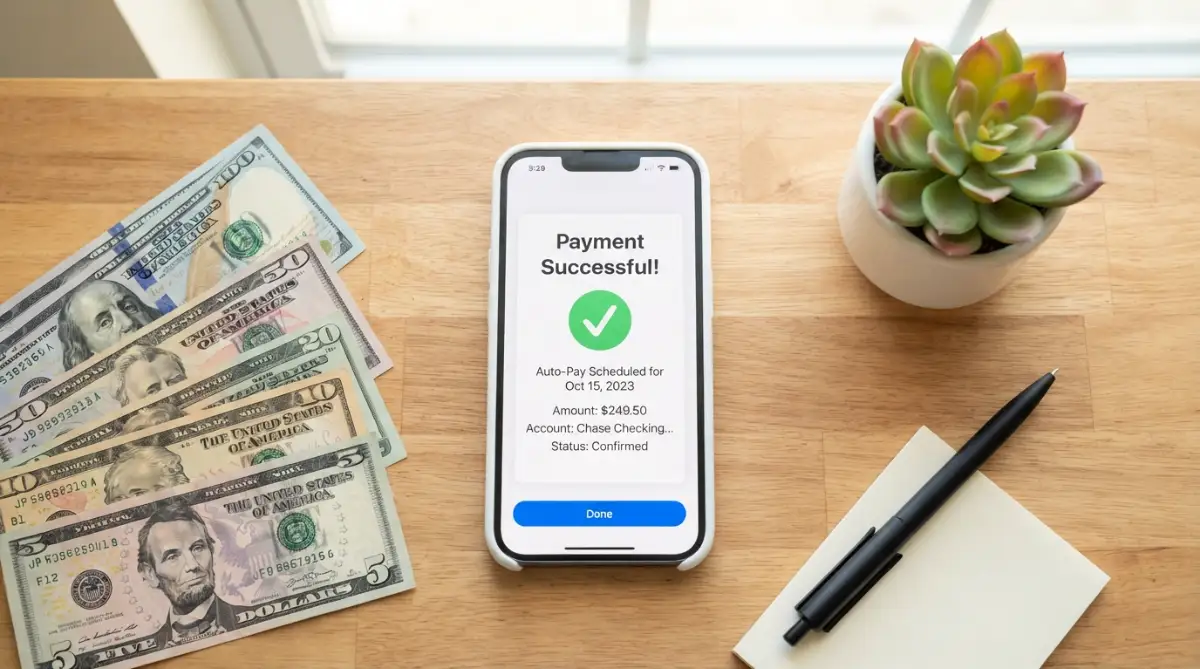
The absolute best thing you can do for your newly organized financial life is to set up automatic payments. When you only have one single bill to worry about, automating it takes almost zero effort. This completely removes the human error element from your monthly routine.
Your payment history is the biggest piece of the pie when algorithms calculate your rating. By setting up auto-pay, you guarantee a perfect track record moving forward. You will never have to pay a late fee or worry about a missed deadline again.
If you are worried about not having enough money in your checking account on a specific date, just call your lender. Most companies are very happy to change your due date to match your payday. This small adjustment makes managing your cash flow incredibly smooth.
Master the Art of the Zero Balance
When your old accounts are finally paid off by the new loan, a strange thing happens. You will look at your wallet and realize you have thousands of dollars in available limits. The temptation to buy something nice to celebrate will be incredibly strong.
This is exactly where you must build an iron wall around your spending habits. You need to keep those cards active so you do not lose your good history, but you cannot carry a balance on them. A great trick is to use one specific card only for a small, fixed monthly subscription like Netflix or Spotify.
Set that card to auto-pay the full statement balance every single month. This keeps the account active, showing lenders that you are a responsible borrower who can handle access to money. According to the official guidelines on debt consolidation, managing your available limits properly is the smartest way to rebuild trust with financial institutions.
Do Not Let Inquiries Scare You
We talked earlier about how a hard check causes a small, temporary dip in your numbers. Because of this, some people are absolutely terrified to apply for anything ever again. But avoiding new opportunities completely is not the right answer either.
If you find a secondary program that offers a massively lower interest rate, it might be worth taking the tiny hit. The key is to space out your applications so you do not look desperate to lenders. If you constantly apply for new things every few weeks, you might find out exactly why your personal loan application gets rejected over and over.
A good rule of thumb is to wait at least six months between any formal applications. This gives your rating plenty of time to bounce back from the hard inquiry. It shows the banks that you are carefully planning your moves, not just grabbing at cash.
Throw Extra Pennies at the Principal
Once your high-interest trap is gone, you might notice you have a little bit of extra breathing room in your budget. Do not let this extra cash disappear into random daily expenses like coffee or fast food. Instead, use it as a weapon to destroy your new loan even faster.
Most installment plans do not charge you a penalty for paying off the balance early. Even sending an extra twenty dollars a month directly toward the principal will shave months off your repayment timeline. This reduces the total interest you pay and frees you from the obligation much sooner.
Think of it like pushing a snowball down a hill. At first, that extra twenty dollars seems tiny and insignificant. But over time, it gathers momentum and turns into massive savings that you get to keep in your own pocket.

The Hidden Traps That Can Wreck Your New Start
Even with the best intentions, I have seen so many people fall into dangerous traps right after they combine their bills. When the heavy stress of multiple due dates disappears, we tend to drop our guard. Let's look at the biggest mistakes you absolutely must avoid so you do not end up back at square one.
The Illusion of Free Money
The single most dangerous trap is what I call the "empty card illusion." When your app shows that you owe zero dollars on a high-limit card, your brain suddenly feels wealthy. You start rationalizing small purchases, telling yourself that you can easily pay it back next week.
But a fifty-dollar dinner here and a new pair of shoes there quickly add up. Before you realize what is happening, you have a massive new loan payment AND a growing credit card bill. This scenario is like trying to empty a sinking boat while someone else is drilling new holes in the bottom.
You have to accept that your credit limit is not your actual money. It is money that belongs to a bank, and they charge you a premium to touch it. If you cannot afford to buy something with cash right now, you cannot afford it at all.
Slicing Up Your Financial History
A very common reaction to finally paying off a frustrating card is to call the bank and cancel the account immediately. I completely understand the urge to cut ties with a company that stressed you out for so long. However, closing an old account is one of the fastest ways to accidentally drop your overall numbers.
When you close a card, you instantly wipe out the available limit associated with it. This instantly spikes your credit utilization ratio on any other balances you might still have. You also eventually lose the long history of that specific account, and algorithms love a long, stable history.
Instead of closing the account, just cut the physical plastic card into tiny pieces and throw it in the trash. Delete the card numbers from your phone and your favorite online shopping sites. This way, you keep the healthy history alive on your profile without the daily temptation to spend.
Ignoring the Root Cause of the Bleeding
Combining your bills is basically applying a very effective bandage to a deep financial wound. The bandage stops the bleeding and gives you time to heal. But if you keep walking into sharp objects, you are going to bleed out anyway.
You have to sit down and have a brutally honest conversation with yourself about why the balances got so high in the first place. Was it a sudden medical emergency, or was it a slow leak of emotional spending? If you do not fix the behavior, the debt will always return.
Choosing the Wrong Life Raft
Not all consolidation programs are created equal, and some are disguised as help when they are actually traps. Many people rush into the very first offer they see in their email inbox because they are desperate for relief. This is a massive mistake that can cost you thousands in hidden fees.
You need to read the fine print very carefully before you sign anything. Look out for high origination fees, pre-payment penalties, or variable interest rates that can suddenly shoot up. If you are struggling with a low rating right now, take the time to learn the proper way of securing loans with bad credit so you do not get taken advantage of.
If something sounds way too good to be true, it probably is. Never pay an upfront fee just to apply for a program. Legitimate financial institutions will never ask you for cash before they approve your application. For extra safety, you can always look into getting bank loans without collateral directly from a local credit union you already trust.
Your Personal Blueprint for Long-Term Peace
Taking the leap to restructure your money can feel incredibly scary, especially with all the rumors floating around out there. But now that you know the actual facts, you have the power to make a smart, educated decision. You understand that lenders are not out to punish you for wanting a simpler, cheaper way to pay back what you owe.
By wiping out those high-interest revolving balances, you immediately improve the most important factors of your financial profile. You drop your utilization ratio to zero, you simplify your payment history, and you stop feeding the interest machine. It is one of the most effective ways to take back control of your paycheck.
Remember, the goal is not just to have a high number on an app. A high rating is just a tool that helps you buy a house, get a safe car, or start a business. The real goal is the mental freedom that comes from knowing you are completely in charge of your own destiny.
You do not have to live with that tight feeling in your chest every time you check the mail. You can build a system that works for you automatically, leaving you free to enjoy your life.
I know exactly how dark and lonely it feels when your bills are piling up faster than your paychecks. But I promise you, taking that brave first step to organize your balances is the turning point you have been praying for. You absolutely have the strength to fix this, and your future self will be so incredibly proud of the actions you take today.
Clearing Up Your Lingering Doubts About Debt Consolidation
Even with all the facts laid out, it is completely normal to still have a few questions popping up in your head. When I was going through this process, I searched the internet for hours trying to find straight answers to very specific worries. Let's tackle the most common questions people ask when they are on the fence about taking action.
Does a consolidation loan look bad to future mortgage lenders?
Not at all, as long as you handle it responsibly. Mortgage lenders actually prefer to see one structured installment payment rather than five maxed-out credit cards. It shows them that you have taken proactive steps to lower your monthly obligations, which makes you a much safer bet for a home loan.
What happens if I accidentally miss a payment on the new loan?
Missing a payment on your new structured plan is just as damaging as missing a payment on your old credit cards. The major bureaus track exactly how scoring models evaluate your payment history, and a 30-day late mark will drop your numbers significantly. This is exactly why setting up automatic deductions directly from your checking account is so important.
Can I still use my credit cards in an absolute emergency?
Yes, your accounts remain open and active even after the balances are paid off by the new program. However, you need to strictly define what an actual emergency is. A broken water heater or a flat tire is an emergency, but a sale on airline tickets is absolutely not.
Is this strategy the exact same thing as debt settlement?
No, these are two completely different paths that impact your future in totally different ways. Consolidation means you are borrowing money at a better rate to pay off everything you owe in full. Settlement means you stop paying your bills entirely so you can negotiate a smaller payoff amount, which destroys your financial reputation for years.
What should I do if my application gets denied?
Do not panic if a bank says no the first time you apply. This just means you need to spend a few months lowering your balances manually or disputing errors on your report. You can also explore seeking advice from non-profit credit counselors who can help you build a personalized recovery plan completely free of charge.
Disclaimer: The information provided in this article is for educational and informational purposes only and does not constitute financial, legal, or tax advice. I am not a certified financial planner or advisor. Always conduct your own research and consult with a licensed financial professional before making any major decisions regarding your personal credit, loans, or debt management strategies. Your individual financial situation is unique, and results may vary.