
The Heartbreaking Moment My Loan Was Denied
Staring at a "loan denied" email is a punch to the gut, especially when you know you pay your bills on time. It leaves you feeling completely stuck and wondering what went wrong behind closed doors. Let's skip the banking jargon—I am going to show you exactly why their automated system said no, and the simple steps you can take to force a "yes" next time.
The worst part was the absolute silence from the bank. They never gave me a clear, understandable reason for saying no. I felt incredibly embarrassed, frustrated, and totally stuck in my plans to fix my home.
You really start doubting your own financial worth when this happens to you. Ordinary hard-working people face this nightmare every single day when trying to cover medical emergencies or consolidate expensive credit cards. You do everything right, fill out the forms perfectly, and still get pushed away by an automated system.
I know exactly how heavy that burden feels on your shoulders. That is why I want to pull back the curtain and show you exactly what is happening behind closed bank doors.
Before You Read: 3 Quick Takeaways
- Your Debt-to-Income (DTI) ratio matters just as much as your credit score—try to keep your monthly debt payments under 35% of your income.
- Maxed-out credit cards are an instant red flag. Always pay down your balance two days before your statement closing date.
- Stop applying randomly after a rejection. Check your free credit report for errors and only look for lenders offering "soft pull" pre-qualifications.
Uncovering the Hidden Algorithms of Bank Approvals
Banks do not reject people because they enjoy it. They reject applications because their automated computer systems flag certain hidden risks in your financial profile. To beat this system, you need to think exactly like a bank underwriter.
Most applicants focus entirely on their overall credit score. While your score is definitely important, it is just one small piece of a much larger puzzle. Banks look at your entire financial behavior over the past few months to predict how you will act in the future.
If we want to turn those frustrating rejections into successful approvals, we need to address the silent red flags. Let us break down the real reasons your application is getting tossed aside and how you can fix them starting today.
The Debt-to-Income Trap Nobody Talks About
Imagine you make a really good salary every month. You might think banks will gladly hand you a personal loan because you earn plenty of money. However, if a large chunk of your monthly income is already going toward paying off other debts, the bank sees you as a major risk.
This concept is known as the Debt-to-Income ratio, or DTI. It is a simple math formula banks use to see if you can actually afford a new monthly loan payment.
If you earn four thousand dollars a month, but you spend two thousand dollars paying off car loans, student debts, and credit cards, your DTI is exactly fifty percent. Most standard lenders get very nervous when they see a DTI higher than thirty-five percent. They assume that adding one more payment will cause you to financially collapse.
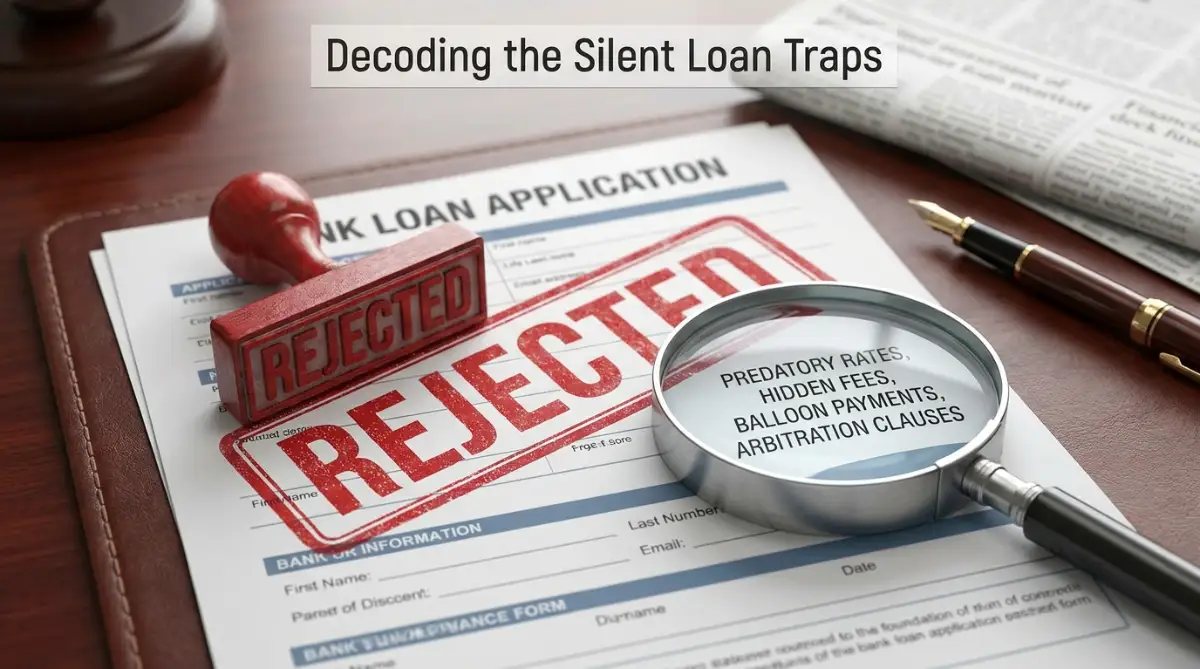
Here is a quick breakdown of what banks consider a "Safe" versus a "Dangerous" Debt-to-Income (DTI) ratio:
To fix this, you must aggressively pay down your smaller debts before applying for a new loan. Even clearing out a small credit card balance can significantly lower your DTI. This single action makes you look much safer to the banking algorithms.
Pro Tip: When I first tried to get a loan, I did not realize my store credit cards were inflating my debt ratio. I spent two months paying off those small retail cards completely, and my very next loan application was approved instantly. Always clear your minor debts first!
The Silent Killer: Credit Utilization Mistakes
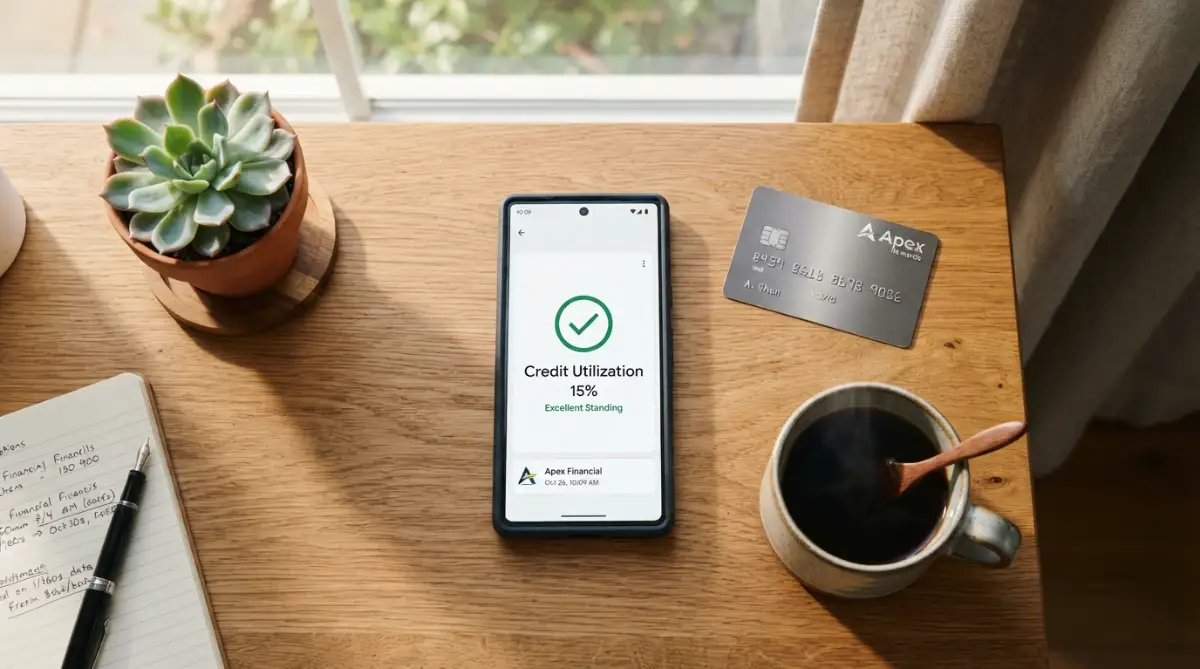
Your credit utilization is simply how much of your available credit you are actively using. If you have a credit card with a ten-thousand-dollar limit, and you spend nine thousand dollars on it, your utilization is at ninety percent.
Banks absolutely hate seeing high credit utilization. To them, a maxed-out credit card screams that you are desperate for cash and living beyond your means.
Even if you pay your minimum balance on time every single month, keeping your cards maxed out will destroy your chances of getting a personal loan. It is like driving a car with the engine constantly in the red zone. Eventually, the bank assumes your finances will overheat and break down.
Experts always recommend keeping your credit utilization below thirty percent. If you can keep it below ten percent, lenders will practically beg you to take their money.
Here is a highly effective bold intro for our recommended video guide:
Understanding how banks calculate your limits can completely change your financial future. Watch this incredible breakdown to see exactly how lenders judge your credit profile before you ever hit submit.
Inconsistent Employment and Address History
Banks crave stability more than anything else in the world. They want to lend money to boring, predictable people who never change their routine. If you frequently change jobs or move to a new apartment every few months, the bank's software will instantly flag your application.
From their perspective, a person who cannot hold down a steady job might not have a reliable income to pay back the loan. Even if you switch jobs for a massive pay raise, the bank only sees the sudden change as a potential risk.
They usually want to see at least two years of consistent employment history with the same company. The same rule applies to your living situation. Moving around constantly makes it look like you are running from debt collectors or unstable in your personal life.
If you recently started a new job, it is usually best to wait a few months before applying for a personal loan. Let your bank account show a steady stream of consistent direct deposits first. This builds a silent trust between you and the lender.
The Danger of Too Many Hard Inquiries
Every time you apply for any type of credit, the lender checks your official credit report. This process is called a hard inquiry. While checking your own score does not hurt you, letting a bank check it definitely leaves a mark.
When you get rejected for a loan, your first instinct is usually to panic and apply at three different banks on the same day. This is the absolute worst mistake you can make.
Having multiple hard inquiries in a short period makes you look incredibly desperate to lenders. The bank's system sees you running from place to place asking for money, and it automatically hits the reject button. Each hard inquiry can drop your score by a few points, and those points add up fast.
Quick Q&A: Hard Pulls vs. Soft Pulls
Q: How do I know if a lender is doing a soft pull before I apply?
A: Always look for the exact phrase "Check your rate without impacting your credit score" on their website. If you do not see those exact words clearly written, assume they are doing a hard pull and protect your score by closing the tab.
Instead of applying randomly, do your research beforehand and only apply to lenders where you meet their strict requirements. Many modern lenders offer a pre-qualification process that only uses a soft check. A soft check tells you if you are likely to be approved without damaging your actual score.
Hidden Errors on Your Personal Credit Report
You would be shocked to learn how many people have completely wrong information sitting on their credit reports. A simple spelling mistake by a clerk five years ago could be the exact reason you are getting denied today.
Sometimes, a debt you already paid off perfectly is still showing up as an active unpaid balance. Other times, someone else with a similar name gets their bad financial habits mixed up with your clean file.
The bank does not care if the report is wrong. Their automated system only reads the data presented to it. If the data says you missed a payment, you will get rejected instantly.
You have the absolute right to check your credit reports for free. Go through every single line with a careful eye and look for anything suspicious. If you spot a mistake, file an official dispute immediately to get it removed before your next application.
Understanding the Banking Behavior Red Flags
Your daily banking habits actually leave a massive digital footprint. Lenders often ask for copies of your recent bank statements to verify your income. They are not just looking at how much money comes in, they are closely watching how that money goes out.
If your bank statements show constant overdraft fees, bounced checks, or insufficient funds warnings, it is an instant red flag. It tells the underwriter that you cannot even manage the money you currently have. Why would they trust you with a large lump sum of their money?
Even regular payments to betting websites or gambling apps can cause a conservative bank to deny your application. They view these transactions as highly irresponsible financial behavior.
Before you apply for a personal loan, spend at least three months cleaning up your daily banking habits. Make sure your account never drops below zero and avoid any strange or risky transactions. Presenting a clean, boring bank statement is your best weapon for approval.
Unrealistic Loan Amount Requests
Sometimes the reason for rejection is simply human greed or poor math. You might only earn three thousand dollars a month, but you apply for a fifty-thousand-dollar unsecured personal loan. The numbers simply do not make sense to the bank.
Lenders use specific calculators to determine the maximum amount they can safely give you. If you ask for way more than you can realistically afford to pay back, they will not negotiate with you. They will just reject the application entirely.
It is always smarter to ask for the exact minimum amount you actually need. A smaller loan request carries much less risk for the bank. Once you successfully pay off a small loan, the bank will gladly offer you much larger amounts in the future because you have proven yourself trustworthy.
Always use an online loan calculator before applying. Check what your estimated monthly payment would be, and honestly ask yourself if that fits comfortably into your current household budget.
The Impact of Co-Signer Complications
When you have a weak financial profile, adding a co-signer seems like a magic fix. A co-signer is someone with great credit who promises to pay the loan if you fail to do so. However, relying on a co-signer can sometimes backfire terribly.
If your chosen co-signer has hidden debts they did not tell you about, their bad habits will drag your application down. The bank evaluates both of you together. One bad apple ruins the entire application process.
Furthermore, you must ensure all the personal details of your co-signer match their official records perfectly. A simple typo in their address or income declaration will result in an automatic denial for both of you.
Only use a co-signer if you are absolutely certain their financial history is spotless. Have a very honest and open conversation with them about their debts before you put their name on your official bank documents.
Myth vs Reality in Loan Applications
People often believe completely false rumors about how banks operate. Let us clear up some of these common misunderstandings right now.
Myth: Earning a massive salary guarantees you will get a loan.
Reality: Income means nothing if your expenses and debts are equally high. Banks care about what you keep, not just what you make.
Myth: Paying off a collection account immediately removes it from your record.
Reality: Paid collections still show up on your history. They look better than unpaid ones, but they still act as a warning sign to lenders.
Myth: You should close old credit cards to look better to banks.
Reality: Closing old accounts actually hurts you! It lowers your total available credit and shortens your visible financial history.
By understanding these realities, you stop making the simple mistakes that trigger silent rejections.
Preparing for Your Next Application
Now that you know exactly what the bank is looking for, you can start building an unbeatable application. It takes a little bit of patience, but the final reward of an approval letter is entirely worth the effort.
Start by lowering your credit card balances immediately. Create a strict budget for the next three months and cut out any unnecessary luxury spending. Your goal is to make your bank statements look incredibly clean and responsible.
Check your credit reports for any hidden errors and dispute them right away. Remember to avoid applying for any other type of credit during this waiting period. Keep your financial profile as quiet and stable as possible.
When you finally feel ready, seek out lenders who offer soft-pull pre-qualifications. This allows you to test the waters safely without hurting your score. If they offer you good terms, you can confidently proceed with the full official application.
Getting rejected for a personal loan is not a permanent life sentence. It is simply a temporary roadblock giving you the chance to fix your hidden financial leaks. By taking control of your debt ratios and credit utilization, you force the banks to see you as a highly valuable customer.
Insider Secrets to Becoming a Premium Borrower
Fixing the basic errors on your application is a great start. However, if you want banks to actually compete for your business, you need to step up your game. There are hidden strategies that wealthy people use to keep their financial profiles looking flawless.
These are not illegal tricks, but rather a deep understanding of how banking software actually reads your daily habits. By shifting just a few small behaviors, you can instantly boost your trustworthiness in the eyes of any lender. Let us look at some highly effective methods to make your profile practically rejection-proof.
Master the Credit Reporting Cycle
Most ordinary folks believe that paying their credit card bill before the due date is all it takes to maintain a good score. This is a massive misunderstanding of how the system works. Your bank reports your balance to the main bureaus on your statement closing date, not your actual due date.
If you pay your bill on the 25th, but the bank reports your data on the 20th, it looks like you are carrying a huge balance. This completely ruins your utilization ratio for that month. The automated underwriter will see this high reported balance and deny your new application.
To outsmart this system, you need to find out your exact statement closing date. You can usually find this date printed at the top of your monthly digital statement. Simply pay your entire balance two days before that specific closing date.
When the bank reports your data, it will show a beautiful zero balance. According to the official guidelines on credit reporting provided by the Consumer Financial Protection Bureau, maintaining a consistently low reported balance is the fastest way to improve your standing. This single habit will make you look incredibly responsible.
Build a Solid Relationship with a Credit Union
Big commercial banks rely entirely on cold, emotionless computer algorithms to judge you. If you fall one point below their strict requirements, they will instantly throw your paperwork in the digital trash. They simply do not care about your personal story or your recent job promotion.
Local credit unions operate entirely differently. Because they are community-focused organizations, they actually employ human beings who look at the big picture. They will often sit down with you, look you in the eye, and listen to your explanation for a past financial mistake.
If you are tired of being rejected by giant mega-banks, move your daily checking account to a local credit union. Start depositing your paycheck there every single week. Let them see your consistent cash flow and responsible daily spending habits.
After six months of clean banking, approach their lending desk for a small request. You will be amazed at how much easier it is to get approved when the lender actually knows you. If you are struggling with past mistakes, learning about managing personal financing despite a poor history is a great way to start rebuilding that trust safely through this helpful guide.
The Authorized User Strategy
Building a long, positive financial history from scratch can take many years of hard work. If your profile is simply too thin, banks will hesitate to give you a large sum of cash. They want to see a long track record of on-time payments.
One of the smartest shortcuts is becoming an authorized user on someone else's credit card. If your parent or spouse has an old, perfectly managed credit card, ask them to add your name to the account. You do not even need them to hand you the physical plastic card.
Just by having your name attached to their excellent account, their years of perfect payments get copied onto your personal report. This immediately thickens your file and boosts your average account age. It is a brilliant way to instantly upgrade your perceived reliability.

Of course, you must only do this with someone who pays their bill in full every month. If they ever miss a payment, that negative mark will also stick to your record. Always choose your financial partners very carefully.
Diversify Your Account Types
Lenders get very nervous when they see a person who only knows how to use store credit cards. They want to know you can handle different types of financial responsibilities. This is known as having a healthy credit mix.
Having a balanced mix of revolving accounts and installment accounts shows true financial maturity. Revolving accounts are things like normal credit cards, while installment accounts include car payments or small personal notes. If you only have one type, you look slightly risky to the underwriter.
If you only have credit cards right now, consider taking out a very small, secured installment loan just to build a new payment history. Many folks find success by securing bank funding without pledging assets once their profile is strong enough. You can learn more about that process right here.
By slowly adding different types of responsible accounts, you show the bank you are a master of all financial tools. This makes them much more comfortable handing you a larger sum of money when you really need it.

Dangerous Missteps That Will Ruin Your Profile
When financial panic sets in, rational thinking usually goes right out the window. We get desperate for cash and start making impulsive decisions that actually push us further away from our goals. These common mistakes are exactly what automated banking systems are trained to catch and punish.
If you are currently trying to get approved for funding, you must avoid these massive pitfalls at all costs. Falling into just one of these traps can lock you out of the banking system for a very long time. Let us walk through the biggest disasters you need to dodge.
The Trap of "Rage Applying"
Getting a rejection letter hurts your pride deeply. Many people react to this pain by getting angry and instantly applying at five different banks on the same afternoon. They hope that if they throw enough applications at the wall, one of them is bound to stick.
This is the absolute worst strategy you can ever use. Every single time you hit submit, a brand-new hard inquiry is slapped onto your official report. When the next bank checks your file, they see that you just begged four other places for money in the last three hours.
To them, you look like a sinking ship desperately searching for a life raft. The system will automatically decline you, no matter how good your income looks. You will end up with a ruined score and zero cash in your pocket.
If you get denied, you must immediately stop applying. Take a deep breath, pull your free reports, and figure out exactly what triggered the denial. Wait at least three to six months before you ever try submitting another formal request.
Falling for Predatory Quick-Cash Offers
When traditional banks turn you away, your email inbox will suddenly fill up with offers from shady, alternative lenders. They promise instant approvals with absolutely no background checks required. It sounds like a dream come true, but it is actually a massive financial nightmare.
These predatory companies charge astronomical fees and interest rates that can easily top three hundred percent. They design their contracts specifically to keep you trapped in a never-ending cycle of debt. You borrow a small amount to fix an emergency, but you end up paying back triple that amount over the next year.
According to a detailed warning published by the Federal Trade Commission regarding predatory lending practices, these quick-cash schemes destroy more families than they actually help. They will slowly drain your bank account until you have nothing left.
Never sign a contract out of sheer desperation. It is always better to negotiate a payment plan for your current bills than to take money from a predatory lender. If you truly need quick funding, explore safe ways of obtaining quick financial support online by checking out trusted guides like this one.
Trying to Hide Existing Debts
Some folks think they can outsmart the bank by simply not mentioning their other debts on the application form. They leave out the money they owe to the tax office or the private loan they took from a family member. They assume that if they do not write it down, the bank will never find out.
Please understand that banking algorithms are incredibly powerful and connected to massive data networks. They can easily see public tax liens, court judgments, and hidden collection accounts. When they catch you lying on a formal application, it is an instant game over.
Lying on a financial document is technically considered fraud. Not only will the bank deny your request, but they might also flag your profile internally to ensure you never get approved there again. They might even close your daily checking accounts if they feel you cannot be trusted.
Always be completely honest about your current financial obligations. If your debt ratio is too high, work on paying it down slowly instead of trying to hide it. Honesty is always the most profitable policy in the banking world.
Paying Shady Credit Repair Companies
When people see negative marks on their file, they often panic and search for quick fixes online. They end up finding expensive companies that promise to legally erase all bad debts for a massive upfront fee. These companies claim they have secret legal loopholes to force the banks to delete your history.
The harsh truth is that most of these expensive services are complete scams. They simply send generic dispute letters that you could easily write yourself for free. They cannot legally remove accurate, factual information from your profile, no matter how much you pay them.
Instead of wasting your hard-earned cash on these false promises, take control of your own situation. You can easily dispute incorrect items online directly through the main reporting bureaus. It takes a little bit of reading, but it costs absolutely nothing.
Use that money to pay down your actual balances instead. If you want to learn more about setting up a solid foundation, visiting a trusted home finance platform will give you the free education you actually need to succeed.
Closing Your Oldest Accounts in a Panic
Let us say you finally pay off a credit card you have had since you were twenty years old. You feel so relieved that you immediately call the company and cancel the card completely. You think you are protecting yourself from future debt, but you just shot your profile in the foot.
Length of financial history makes up a huge portion of your overall trustworthiness score. By closing your oldest account, you effectively delete years of good behavior from your active profile. It makes you look like a beginner all over again.
Additionally, closing an account wipes out that available credit limit. This instantly causes your overall utilization ratio to spike upward, making you look riskier. The bank will notice this sudden drop in stability and deny your next request.
Keep your old accounts open, even if you do not use them daily. Buy a small cup of coffee with the old card once every three months just to keep it active. This preserves your long history and keeps your available credit limits nice and high.
Your Clear Path to Financial Peace of Mind
Getting turned down by a bank is never a fun experience, but it is also not the end of your financial journey. Every single rejection is simply a computer system telling you that one specific part of your profile needs a little bit of extra polish. Once you understand the secret rules of the game, you can completely change the outcome.
Start by taking a long, honest look at your current debt load and your daily banking habits. Focus on paying down those small balances to lower your overall utilization before you ever apply again. Stop applying for multiple offers out of panic, and start building genuine relationships with community lenders who value human connection.
It takes time to rebuild a damaged profile, but the freedom you feel when that approval letter finally arrives is indescribable. You will no longer lose sleep over unexpected emergencies or broken appliances. You will have the confidence to walk into any bank and ask for exactly what you deserve.
For those of you looking to step up your financial game even further, maybe even to launch a new venture, knowing how to secure funding safely is essential. You can start exploring options for starting your entrepreneurial journey with proper funding through this comprehensive resource.
I have personally sat in that exact chair, feeling hopeless after a computer algorithm told me I was not good enough. But by stepping back, learning the real rules of credit reporting, and fixing my hidden mistakes, I turned those painful denials into guaranteed approvals. You have the exact same power to rewrite your financial story starting today, so take a deep breath and start making those small, positive changes.
Common Questions About Bank Rejections
Does getting rejected directly lower my credit score?
The actual rejection does not lower your score at all. However, the hard inquiry the bank performed to check your history will drop your score by a few points. This is why applying everywhere in a panic does so much damage.
How long should I wait before applying again after a denial?
You should wait a minimum of three to six months before trying again. Use this waiting period to pay down small debts, fix any errors on your official reports, and lower your overall utilization ratio.
Can I legally ask the bank exactly why they denied me?
Yes, absolutely! By law, lenders must send you an Adverse Action Notice explaining the specific reasons for their decision. Always read this letter carefully because it acts as a free roadmap telling you exactly what you need to fix.
Will changing my job right before applying hurt my chances?
Yes, it usually will. Banks love stability and prefer to see at least two years of consistent income from the same employer. If you just started a new job, wait until you have a few months of steady pay stubs before submitting your paperwork.
Do small unpaid medical bills really stop me from getting approved?
Yes, even a tiny medical bill that goes to a collection agency can instantly trigger a denial. Many banks use strict filters that automatically reject anyone with an active collection account, regardless of how small the amount is.
Disclaimer: The information provided in this blog post is for educational and informational purposes only and does not constitute financial, legal, or professional advice. Always consult with a certified financial advisor or your local banking institution before making any major financial decisions or applying for credit.
CTRL+F YouTube Search Line: Understanding how banks calculate your