

My Biggest Mistake and the Harsh Reality of Buying a Home
"Most people think they’re buying a home, but they’re actually buying the previous owner's secrets. I learned this the hard way when my 'dream house' turned into a literal indoor pool after the first heavy rain. If you only look at the granite countertops and ignore the foundation, you’re not an investor—you’re a gambler. Let's talk about the ugly stuff you need to find before you sign that 30-year mortgage."
I ended up emptying my savings account just to fix a major drainage issue that I totally missed. My bank account was completely drained, and my beautiful dream home suddenly felt like a massive nightmare. I remember sitting on the wet basement stairs, holding a flashlight, and wondering how I let this happen to me.
This is exactly what happens when regular buyers skip the small details. We get so caught up in the emotional excitement of buying a house that we forget to look at the bare bones of the property. You fall in love with the modern kitchen countertops, but you completely ignore the old pipes hidden just underneath the sink.
Every single day, innocent buyers move into homes that look perfect on the outside but are secretly falling apart on the inside. They spend their hard-earned money on down payments, only to be slapped with massive repair bills just a few weeks later.
If you are putting your life savings into a property, you deserve to feel safe and secure. You should not have to wake up in the middle of the night worrying if your roof is going to leak. That is why understanding these warning signs is absolutely necessary for your financial future.
"Cheat Sheet: What You Can't Afford to Ignore
- Water is Enemy #1: Look for fresh paint patches on ceilings; it’s usually hiding an active leak.
- The Foundation Rule: Vertical cracks are often just 'settling,' but horizontal cracks mean the house is under massive structural stress.
- The 'Sniff' Test: If a room smells musty, there is mold behind the walls. No exceptions.
- Negotiation Power: A bad inspection report isn't a 'No'—it's a tool to get the seller to drop the price by $10k or $20k."
Major House Inspection Warnings You Should Never Ignore
When you are walking through a property, you need to look past the beautiful staging furniture. You have to train your eyes to see the things the seller might be trying to hide from you. Let us break down the exact things you need to watch out for to protect your money.
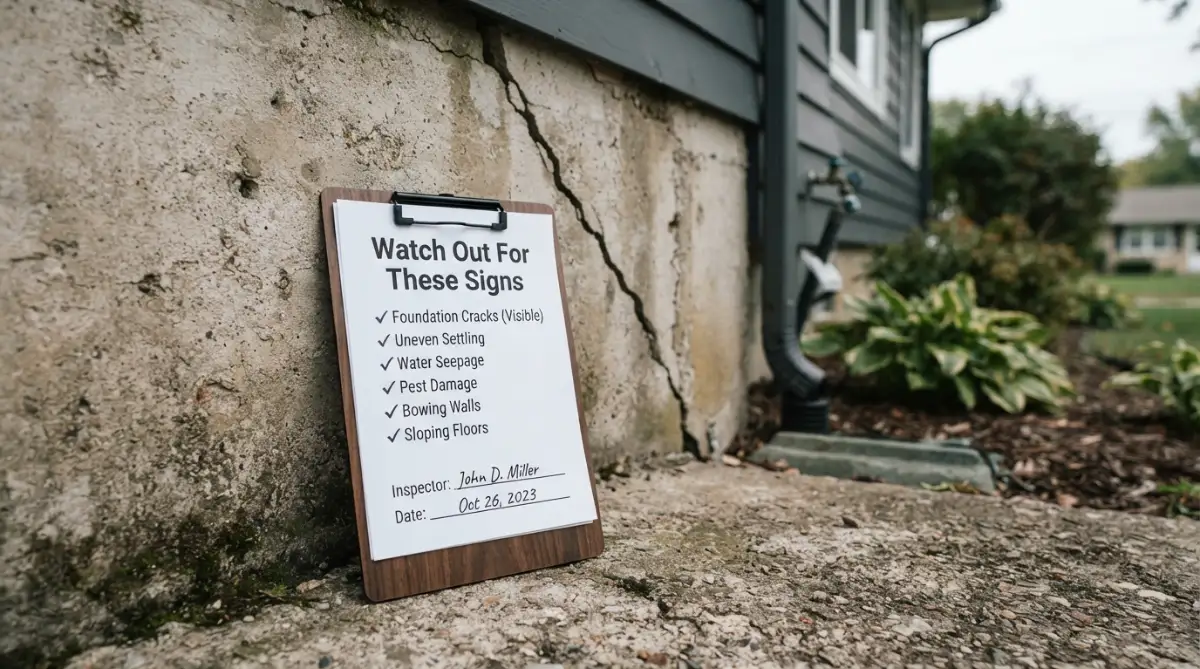
The Hidden Danger of Unseen Water Damage
Water is simply the biggest enemy of any building. It can slowly destroy a property from the inside out without anyone noticing until it is too late. When you walk into a house, always look up at the ceilings in every single room.
If you see brown, ring-like stains on the drywall, that is a clear sign of an active or past leak. Sellers will sometimes paint over these stains to make the room look fresh and clean for the showing. However, fresh paint on just one specific part of a ceiling is highly suspicious.
Pay close attention to the smell of the house when you first walk through the front door. If you detect a strong, musty odor, it usually means there is hidden mold growing somewhere behind the walls. Mold needs moisture to survive, which means water is getting into the house from somewhere.
Check under all the sinks in the kitchen and bathrooms to see if the cabinet bottoms are warped. If the wood under the pipes feels soft or looks completely damaged, you know there is a plumbing issue. Fixing severe water damage can drain your wallet entirely, so never take this lightly.
Understanding Foundation Issues and Soil Movement
Your foundation is what holds your entire house up, so it needs to be perfectly solid. If the foundation is compromised, every other part of the house will eventually fail. You might notice small hairline cracks in the concrete, which are sometimes completely normal.
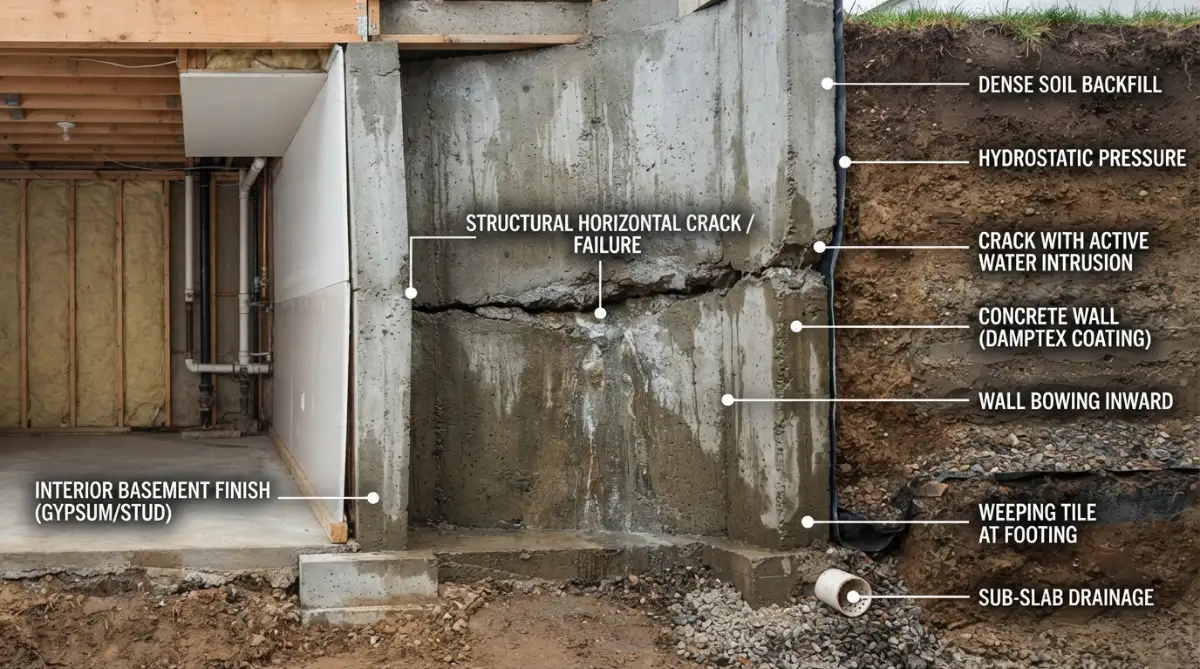
However, if you see horizontal cracks running along the basement walls, you have a massive problem on your hands. Horizontal cracks happen when the soil outside pushes too hard against the foundation, causing the wall to bow inward.
Watch this quick breakdown to see exactly what a dangerous foundation crack looks like before you sign any paperwork.
Another major sign of foundation trouble is when the doors and windows in the house refuse to close properly. If a door suddenly sticks to the frame or a window will not lock, the house might be sinking unevenly.
Take a small marble with you during the inspection and place it right on the hard floor. If the marble immediately rolls quickly to one side of the room, you know the floor is severely slanted. Fixing a sinking foundation can cost tens of thousands of dollars, making it a massive red flag.
| Issue Type | Repair Cost (Estimated) | Can You DIY? | Verdict |
| :--- | :--- | :--- | :--- |
| Horizontal Foundation Cracks | $5,000 - $15,000+ | No | Run or Negotiate Hard |
| Old Knob & Tube Wiring | $8,000 - $15,000 | No | Fire Hazard - Must Replace |
| Clogged Gutters | $100 - $500 | Yes | Simple Fix |
| Active Termite Damage | $2,000 - $6,000+ | No | Professional Treatment Only |
Outdated Electrical Systems That Cause House Fires
Modern families use a lot of electricity to power up phones, laptops, smart TVs, and kitchen appliances. Older homes were simply not built to handle the heavy electrical loads we demand today. If a house still uses old knob-and-tube wiring, you are looking at a serious fire hazard.
You should always open the main electrical panel during the inspection to see what is going on inside. If you see a tangled mess of wires or rust forming on the breakers, you need an electrician immediately.
I once thought a slight flickering light in my kitchen was just a bad bulb that needed a quick change. It turned out to be a major wiring issue that cost me a small fortune to rewire safely. Always ask your inspector to test every single outlet, even if the house looks brand new.
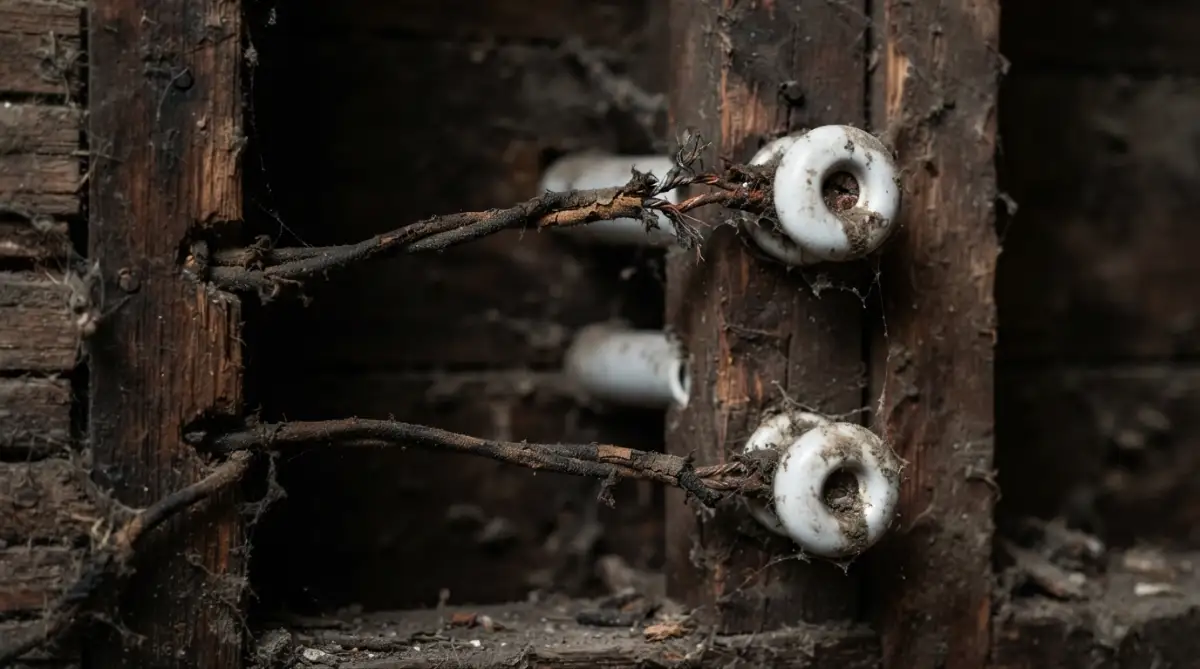
Look around the rooms to see how many outlets are available on the walls. If you see rooms with only one outlet, you will end up using dangerous extension cords everywhere. Upgrading a whole-house electrical panel is a very expensive job that you do not want to pay for.
Roofing Problems You Cannot See From the Ground
The roof is your main line of defense against rain, wind, and bad weather. Most buyers only glance at the roof from the driveway and assume everything is fine. You need a home inspector who is actually willing to climb a ladder and walk on the roof.
Look carefully for missing, cracked, or severely curled shingles across the entire surface. When shingles start curling at the edges, it means they have reached the end of their lifespan and need replacement.
Pay close attention to the areas around the chimney and the roof vents. The metal flashing around these areas keeps water out, and if it is rusted, water will pour into your attic.
Take a good look at the gutters attached to the roof edge. If the gutters are completely clogged with leaves or pulling away from the house, water will spill down the walls. A brand new roof is an incredibly heavy expense that can ruin your budget right after moving in.
The Silent Threat of Termites and Pests
Bugs and rodents can secretly destroy the wooden structure of a home while staying completely out of sight. Termites are especially dangerous because they literally eat the wood that holds the house together.
Look for tiny mud tubes running up the exterior foundation walls of the property. Termites build these small dirt tunnels to travel safely from the wet ground directly into the wooden beams of the house.
If you tap on a thick wooden support beam in the basement and it sounds completely hollow, that is terrible news. It means insects have likely eaten the inside of the wood, leaving only a thin outer shell.
You should also check the attic for small droppings or chewed electrical wires, which clearly indicate mice or rats. Pest damage is rarely covered by standard homeowners insurance, leaving you fully responsible for the repair bills.
HVAC Systems on the Edge of Total Breakdown
Your heating and cooling system is what keeps your family comfortable during extreme weather conditions. A completely new HVAC system is one of the most expensive things you can buy for a house.
Check the manufacturing date printed directly on the side of the furnace and the air conditioning unit. If the system is more than fifteen years old, it is basically living on borrowed time.
Listen closely to the air conditioner when it suddenly turns on during the inspection. If you hear loud banging, screeching, or rattling noises, the internal motor is likely failing.
Ask the seller to provide solid proof of regular maintenance for the HVAC system. If they have never hired a professional to clean and service the unit, you will probably inherit a broken machine.
Bad Property Drainage and Flooding Risks
The way the land slopes around the outside of the house is incredibly important for keeping the basement dry. The ground should always slope away from the foundation so rainwater naturally flows into the yard.
If the yard tilts toward the house, every single drop of rain will run directly into your basement walls. This is called negative grading, and it is a guaranteed recipe for severe indoor flooding.
Take a walk around the yard and look for large pools of standing water on the grass. If the yard stays completely muddy for days after a rainstorm, the property has a terrible drainage problem.
Check where the downspouts from the roof actually release the water on the ground. If the water dumps right next to the foundation, it will eventually find a way inside your house.
Fresh Paint Used to Hide Massive Problems
We all love the look and feel of a freshly painted room, but sometimes sellers use paint to hide secrets. When you see one single wall painted recently while the rest of the house looks old, ask yourself why.
Flippers often try to cover up water stains, smoke damage, or ugly wall cracks with a thick coat of cheap paint. If you smell incredibly strong wet paint in the basement, they might be hiding dangerous foundation cracks.
Use your hands to gently touch the freshly painted walls to see if the texture feels uneven or lumpy. An uneven surface usually means someone did a terrible patch job over a major hole or crack. Always question quick cosmetic fixes because they usually distract you from much deeper structural issues.
Amateur DIY Repairs and Code Violations
Many homeowners try to save money by doing complex home repairs entirely by themselves. While putting together furniture is fine, amateur plumbing and electrical work is highly dangerous.
Look closely at the plumbing pipes in the basement to see how they are actually connected. If you see pipes held together with duct tape or excessive amounts of glue, you have a major DIY disaster.
Check any new additions to the house, like a large wooden deck or a finished basement room. Always ask the seller to provide the official legal permits for these specific construction projects.
If they built a heavy wooden deck without proper permits, the city might force you to tear the whole thing down. You do not want to inherit someone else's lazy mistakes and pay the legal price for them.
A Simple Breakdown: Normal Wear vs Major Red Flags
Galvanized Plumbing That Destroys Water Pressure
Older homes built decades ago often feature heavy galvanized steel pipes hidden behind the walls. Over a long period of time, these steel pipes rust completely from the inside out.
As the rust builds up inside, the space for water to flow gets smaller and smaller. Go into the bathroom and turn on the sink, the shower, and flush the toilet all at exactly the same time.
If the water from the shower head suddenly drops to a tiny trickle, the plumbing is severely clogged with rust. Replacing all the pipes in a house means tearing open the walls, which creates a huge, messy expense.
You should also test the hot water tap to see exactly how long it takes to heat up. If the water comes out looking slightly brown or yellow, the pipes are already rotting away.
Questionable Attic Ventilation and Insulation
The attic is a place most buyers completely ignore because it is dark, dirty, and hard to reach. However, the health of your attic directly impacts your energy bills and your roof.
When you look inside the attic, check if the insulation is evenly spread across the entire floor. If the insulation looks completely flattened or has dark black spots, moisture is getting trapped inside the space.
A poorly ventilated attic gets incredibly hot during the summer, which basically bakes your roof shingles from the inside. In the winter, the trapped warm air causes dangerous ice dams to form on the edge of your roof.
Look at the wooden beams inside the attic space for a white or gray powdery substance. This is a very common sign of active mold growth due to zero air circulation. Fixing attic ventilation requires installing new fans and vents, which is quite a tedious job.
Next-Level Strategies to Protect Your House Investment
Once you know what basic warning signs to look out for, you have to step up your game. A standard evaluation is a great starting point, but it rarely uncovers every single hidden secret in a property. You need to think like a seasoned real estate investor to truly protect your hard-earned money.
The biggest secret in the real estate market is that you do not have to accept the house exactly as it is. When the professional inspector hands you a massive report, that document becomes your ultimate negotiation tool. You can use their exact findings to ask the seller for a massive discount on the final asking price.
Many buyers get extremely nervous when they see a fifty-page document filled with technical terms and photos of broken pipes. Instead of panicking, sit down with a cup of coffee and read through every single line of that report. Highlight the issues that pose a direct threat to your safety, like electrical faults or severe structural damage.
Do not waste your time arguing with the seller over tiny cosmetic issues like a loose doorknob or a missing cabinet hinge. You want to focus all your energy on the big-ticket items that will drain your bank account after closing. If you are already trying to figure out how mortgage rates work, the last thing you need is a surprise ten-thousand-dollar repair bill.
Why You Need Specialty Inspections Beyond the Basics
A general inspector is like a family doctor who checks your overall health. If they hear something strange in your heart, they will send you to a cardiologist for a deeper look. The exact same rule applies when evaluating a property you want to purchase.
One of the smartest things you can do is order a specialized sewer scope inspection before you sign anything. A technician will push a tiny camera deep down into the underground pipes that connect the house to the city sewer. Tree roots often grow directly into these pipes, causing massive blockages that cost a fortune to dig up and replace.
You should also seriously consider testing the property for radon, especially if the house has a basement. Radon is an invisible, odorless gas that naturally rises from the ground and gets trapped inside tight homes. According to the EPA guidelines on indoor air quality, long-term exposure to these hidden gases can be incredibly dangerous for your family.
If the general report mentions any signs of previous water damage, immediately hire a dedicated mold specialist. They will take air samples inside the house to see if dangerous spores are floating around the rooms. Finding these hidden problems early gives you the exact leverage you need to either walk away or demand a huge price reduction.
Reading Between the Lines of the Seller's Disclosure
In most places, sellers are legally required to fill out a paper document listing all the known problems with the property. This paper is called a seller's disclosure, and it is usually handed to you before you make an official offer. However, you should never fully trust this piece of paper at face value.
Sellers often have very selective memories when it comes to the expensive problems in their homes. They might conveniently forget that the basement flooded three years ago or that the roof leaked last spring. This is exactly why the HUD guidelines for home buyers strongly recommend getting your own independent evaluation every single time.
Take the seller's disclosure paper with you on the day of your inspection and hand it directly to your inspector. Ask them to double-check every single repair the seller claims they already fixed in the past. If the seller says they installed a new roof, your inspector needs to verify the quality of that specific work.
I once looked at a house where the seller claimed they updated the entire electrical system to modern standards. My inspector quickly found out they only replaced the covers on the wall outlets while leaving the dangerous old wiring hidden inside the walls. If I had simply trusted their written word, I would have bought a massive fire hazard.
Using the Report to Negotiate Like a Pro
When you find serious defects in the property, you generally have three choices moving forward. You can ask the seller to fix the problems before closing, ask for a financial credit, or simply cancel the entire deal. Asking for a financial credit is almost always the smartest move you can make.
If you force the seller to make the repairs, they will likely hire the cheapest, fastest contractor they can find. They are moving out, so they simply do not care about the long-term quality of the repair work. They just want to check the box and get your money as quickly as possible.
Instead, get quotes from highly rated local contractors for exactly how much the repairs will cost in the real world. Take those professional quotes back to the seller and ask them to lower the price of the house by that exact amount. This way, you get to hire a contractor you actually trust after you get the keys to the property.
Managing all these financial details can feel overwhelming when you are also trying to understand property taxes without losing your mind. Taking control of the repair process ensures the house is actually safe for your family to live in. Always remember that you have the power to walk away if the seller refuses to be reasonable.

Disastrous Traps First-Time Buyers Fall Into
Buying a house is a highly emotional journey that easily clouds your logical judgment. When you finally find a house that looks perfect on the surface, you naturally want to rush the process. This emotional rush is exactly what leads innocent buyers directly into massive financial traps.
Let us talk about the absolute worst mistakes people make when evaluating a property. These careless errors happen every single day, completely destroying the financial stability of young families. Avoiding these traps is the only way to keep your savings account safe from disaster.
Waiving Your Safety Nets to Win a Bidding War
In a highly competitive real estate market, buyers are always looking for ways to make their offers stand out. Some buyers get so desperate that they completely waive their right to inspect the property just to beat the competition. This is easily the most dangerous financial game you can possibly play.
When you waive this right, you are blindly accepting every single hidden defect, broken pipe, and rotting wall inside that house. You are literally gambling your entire life savings on a property you know absolutely nothing about. Many people who do this end up deeply regretting their choice just weeks after moving in.
Imagine spending all your money on a down payment and then discovering the foundation is sinking into the mud. The stress of that sudden debt is one of the silent reasons your personal loan application gets rejected when you desperately need repair money. No house is ever worth risking your long-term financial survival, no matter how beautiful the kitchen looks.
Even if your real estate agent pressures you to waive the evaluation to win the house, you must stand your ground. A good agent will never push you to take such a massive, unnecessary risk with your money. If you lose a bidding war because you wanted to check the pipes, consider yourself incredibly lucky to escape a potential nightmare.